
LC
LeetCode OA
Coding answer support
The answer outline helped me move from problem statement to approach quickly.
It broke the problem into brute force, optimized idea, edge cases, and complexity so I could explain the solution while coding.
Now upgraded with audio support and 20+ cutting-edge undetectability features to keep you invisible across every interview check.
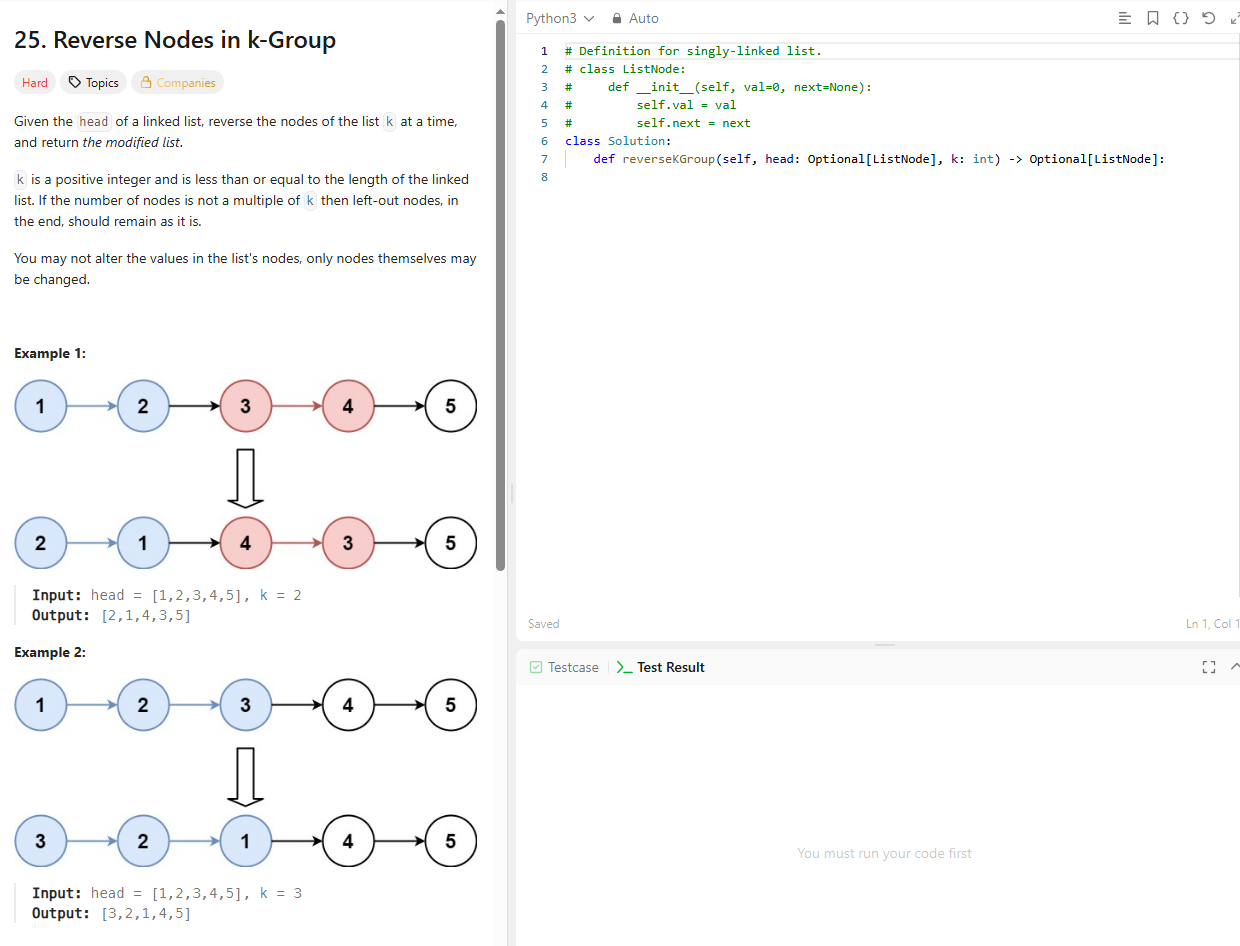
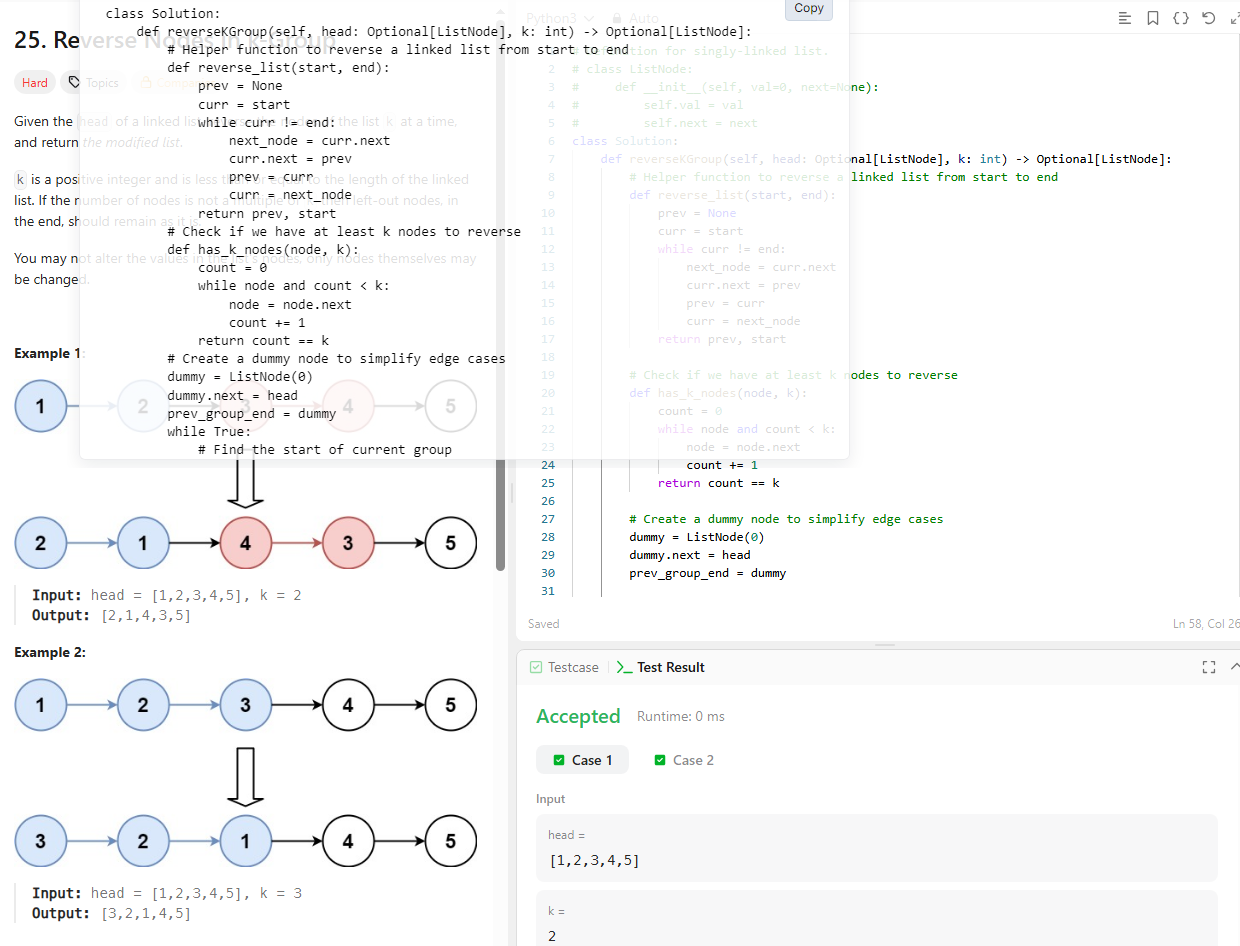
The most advanced undetectability features to keep you invisible
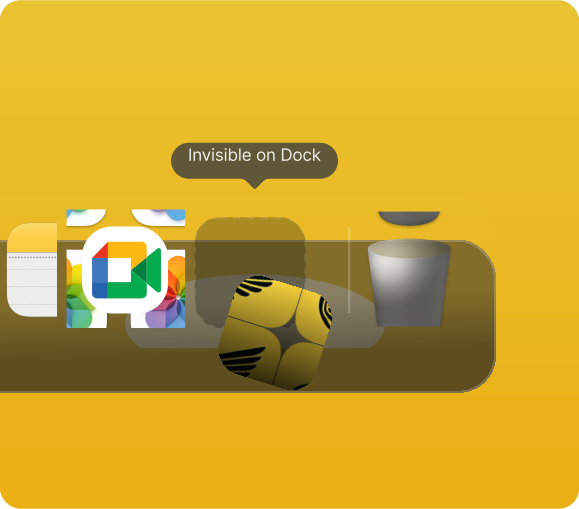
Stays active without showing a Dock icon.
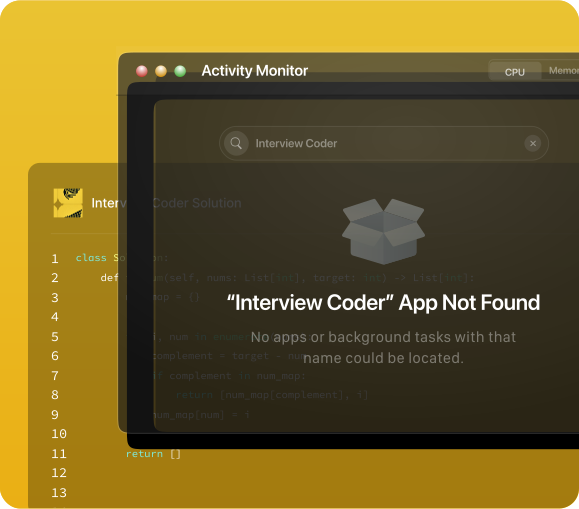
Runs silently without appearing in Activity Monitor.
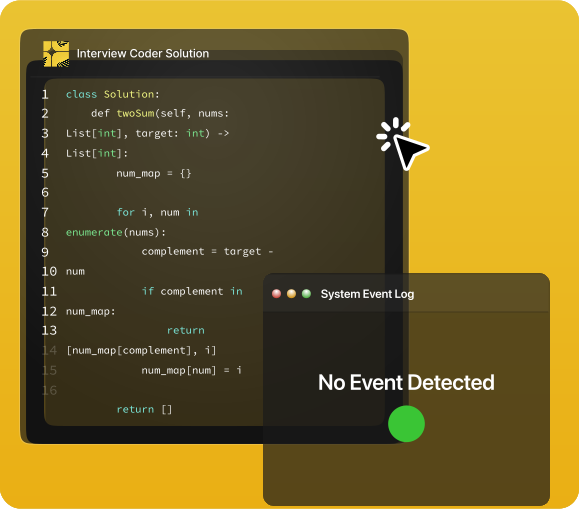
Lets cursor hover and clicks pass through undetected.
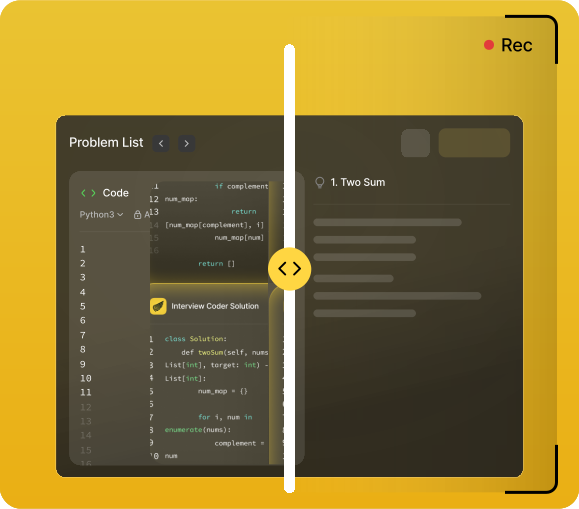
Leaves no visible windows during recording or sharing.
Compare side-by-side and find out why Interview Coder Plus stays invisible where others fail.
| Undetectability features |  | UltraCode | LockedIn AI | AIApply |
|---|---|---|---|---|
| Supports Audio | ||||
| Invisible In Dock | ||||
| Invisible To Screen Share | ||||
| Invisible To Tray | ||||
| Invisible To System/Activity Monitor | ||||
| Click-Through Undetectability | ||||
| Hasn't Been Caught | ||||
| Competitive Price | ||||
| Has Real Proof From Real Users |
Interview Workflows
Interview Coder Plus helps turn screenshots, audio prompts, and interviewer follow-ups into structured AI answer outlines for technical interview workflows.
LeetCode OA
Coding answer support
The answer outline helped me move from problem statement to approach quickly.
It broke the problem into brute force, optimized idea, edge cases, and complexity so I could explain the solution while coding.
Audio prompt
Verbal question handling
When the interviewer asked a verbal follow-up, the transcript gave me usable context.
It helped turn spoken questions into a concise answer plan instead of relying on memory under pressure.
Backend round
API and database design
The backend prompts helped me talk through request flow and storage tradeoffs.
It gave me a clean path for API shape, schema choices, indexes, cache behavior, and failure handling.
LeetCode OA
Coding answer support
The answer outline helped me move from problem statement to approach quickly.
It broke the problem into brute force, optimized idea, edge cases, and complexity so I could explain the solution while coding.
Audio prompt
Verbal question handling
When the interviewer asked a verbal follow-up, the transcript gave me usable context.
It helped turn spoken questions into a concise answer plan instead of relying on memory under pressure.
Backend round
API and database design
The backend prompts helped me talk through request flow and storage tradeoffs.
It gave me a clean path for API shape, schema choices, indexes, cache behavior, and failure handling.
System design
Architecture round
It kept the design answer organized when follow-ups started coming fast.
I used the structure for requirements, APIs, storage, queues, bottlenecks, and reliability tradeoffs.
Follow-up
Constraint changes
The most useful part was adapting the answer when the interviewer changed the constraint.
It helped me explain streaming input, memory limits, top-k variants, and what changed in complexity.
Behavioral
Technical story structure
It helped me turn project experience into a cleaner interview answer.
The outline kept the answer grounded in situation, tradeoff, action, result, and what I learned.
System design
Architecture round
It kept the design answer organized when follow-ups started coming fast.
I used the structure for requirements, APIs, storage, queues, bottlenecks, and reliability tradeoffs.
Follow-up
Constraint changes
The most useful part was adapting the answer when the interviewer changed the constraint.
It helped me explain streaming input, memory limits, top-k variants, and what changed in complexity.
Behavioral
Technical story structure
It helped me turn project experience into a cleaner interview answer.
The outline kept the answer grounded in situation, tradeoff, action, result, and what I learned.
Debugging
Failed test analysis
Screenshots of the code and error made the debugging path much clearer.
The guidance focused on loop bounds, state changes, failing inputs, and the exact tests I should mention.
ML interview
Model and metric questions
It helped me answer ML questions with metrics, data issues, and production risks.
The response structure covered labels, validation, leakage, monitoring, and what to check before launch.
Final review
Before the interview
I used it to review weak spots across coding, design, and follow-up questions.
It made the last practice sessions more focused and helped me catch gaps in my explanations.
Debugging
Failed test analysis
Screenshots of the code and error made the debugging path much clearer.
The guidance focused on loop bounds, state changes, failing inputs, and the exact tests I should mention.
ML interview
Model and metric questions
It helped me answer ML questions with metrics, data issues, and production risks.
The response structure covered labels, validation, leakage, monitoring, and what to check before launch.
Final review
Before the interview
I used it to review weak spots across coding, design, and follow-up questions.
It made the last practice sessions more focused and helped me catch gaps in my explanations.
LeetCode OA
Coding answer support
The answer outline helped me move from problem statement to approach quickly.
It broke the problem into brute force, optimized idea, edge cases, and complexity so I could explain the solution while coding.
System design
Architecture round
It kept the design answer organized when follow-ups started coming fast.
I used the structure for requirements, APIs, storage, queues, bottlenecks, and reliability tradeoffs.
Debugging
Failed test analysis
Screenshots of the code and error made the debugging path much clearer.
The guidance focused on loop bounds, state changes, failing inputs, and the exact tests I should mention.
Audio prompt
Verbal question handling
When the interviewer asked a verbal follow-up, the transcript gave me usable context.
It helped turn spoken questions into a concise answer plan instead of relying on memory under pressure.
Follow-up
Constraint changes
The most useful part was adapting the answer when the interviewer changed the constraint.
It helped me explain streaming input, memory limits, top-k variants, and what changed in complexity.
ML interview
Model and metric questions
It helped me answer ML questions with metrics, data issues, and production risks.
The response structure covered labels, validation, leakage, monitoring, and what to check before launch.
Backend round
API and database design
The backend prompts helped me talk through request flow and storage tradeoffs.
It gave me a clean path for API shape, schema choices, indexes, cache behavior, and failure handling.
Behavioral
Technical story structure
It helped me turn project experience into a cleaner interview answer.
The outline kept the answer grounded in situation, tradeoff, action, result, and what I learned.
Final review
Before the interview
I used it to review weak spots across coding, design, and follow-up questions.
It made the last practice sessions more focused and helped me catch gaps in my explanations.
LeetCode OA
Coding answer support
The answer outline helped me move from problem statement to approach quickly.
It broke the problem into brute force, optimized idea, edge cases, and complexity so I could explain the solution while coding.
System design
Architecture round
It kept the design answer organized when follow-ups started coming fast.
I used the structure for requirements, APIs, storage, queues, bottlenecks, and reliability tradeoffs.
Debugging
Failed test analysis
Screenshots of the code and error made the debugging path much clearer.
The guidance focused on loop bounds, state changes, failing inputs, and the exact tests I should mention.
Audio prompt
Verbal question handling
When the interviewer asked a verbal follow-up, the transcript gave me usable context.
It helped turn spoken questions into a concise answer plan instead of relying on memory under pressure.
Follow-up
Constraint changes
The most useful part was adapting the answer when the interviewer changed the constraint.
It helped me explain streaming input, memory limits, top-k variants, and what changed in complexity.
ML interview
Model and metric questions
It helped me answer ML questions with metrics, data issues, and production risks.
The response structure covered labels, validation, leakage, monitoring, and what to check before launch.
Backend round
API and database design
The backend prompts helped me talk through request flow and storage tradeoffs.
It gave me a clean path for API shape, schema choices, indexes, cache behavior, and failure handling.
Behavioral
Technical story structure
It helped me turn project experience into a cleaner interview answer.
The outline kept the answer grounded in situation, tradeoff, action, result, and what I learned.
Final review
Before the interview
I used it to review weak spots across coding, design, and follow-up questions.
It made the last practice sessions more focused and helped me catch gaps in my explanations.
Daily testing, real-world checks, and constant monitoring ensure Interview Coder Plus remains undetectable - 100% of the time
 Microsoft Teams
 Zoom
Zoom Google Meet
 Amazon Chime
 Cisco Webex
 Lark/Feishu
 HackerRank
 CoderPad
 Codility
Choose a plan for Interview Coder Plus. Monthly and lifetime access options are available.
Flexible monthly access for candidates preparing for upcoming technical interviews.
Includes audio support, coding interview guidance, and setup support.
Plan details and checkout options will appear when pricing is available.
One-time access for long-term interview preparation and continued product updates.
Includes the same core interview assistance features as the monthly plan.
Secure checkout is available once live plan data finishes loading.
We've Got Answers
Yes, a free plan is available to test core functionality. The free tier has model and feature limits so you can confirm compatibility during the onboarding process before upgrading to the lifetime plan.
Start Your Free Trial Today